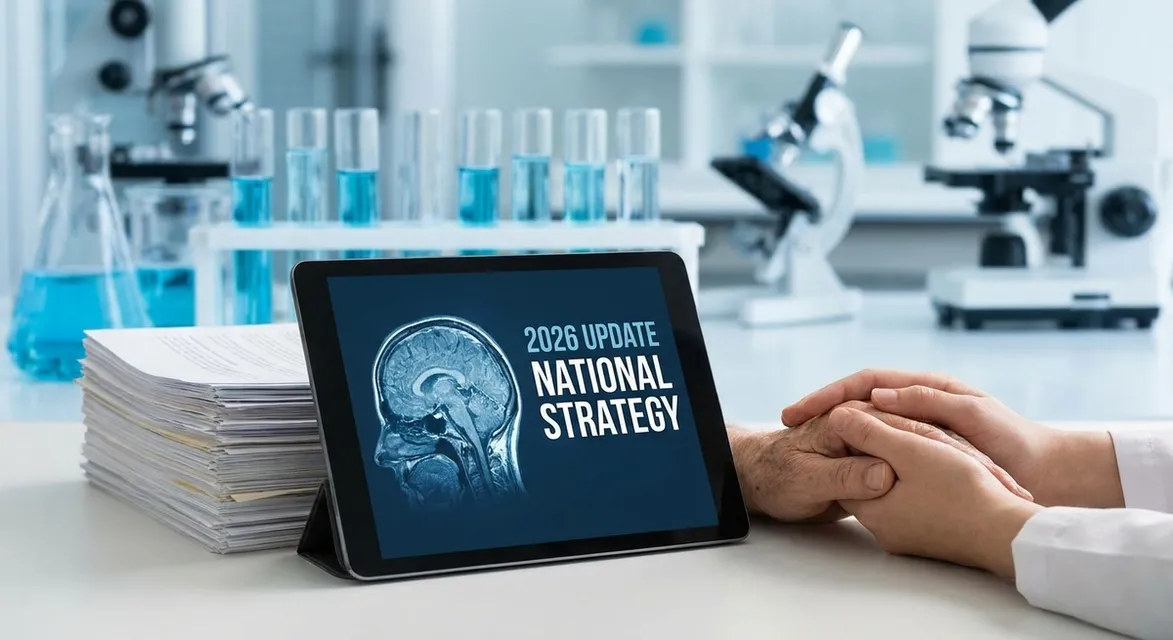
HHS, also known as the U.S. Department of Health and Human Services,S. The 2026 Update, a report regarding Alzheimer’s Disease and Related Dementias, was released by officials to detail the National Plan. The updated strategy outlines a coordinated federal approach focusing on risk reduction, research, and enhanced support for patients and families affected by dementia.
Robert F. Kennedy, Jr., the Secretary of the HHS, Kennedy, Jr. The strategy was unveiled during a visit to Fort Lauderdale, where the official spoke at the Broward Health Medical Center. He highlighted that officials are now prioritizing early detection, prevention, and the development of new treatments. The updated plan officially expands its scope to explicitly include "related dementias" in response to public input regarding the common challenges faced by patients across various cognitive conditions.
CMS Administrator Dr. Dr. Mehmet Oz stated the plan targets the financial and personal burdens of dementia care. Initiatives will aim to support caregivers and improve access to lifestyle interventions to delay cognitive decline.
The revised framework replaces the previous six objectives with four primary goals:
- Lowering the chance of developing dementia at every stage of life.
- Accelerating discovery and innovation in the prevention and treatment of Alzheimer’s and related dementias.
- Advancing high-value care throughout the patient’s journey.
- Bolstering support services rooted in clinical evidence for families and those diagnosed with dementia.
Along with these updates, 10 federal agencies have initiated new programs. The Food and Drug Administration (FDA) is fostering new preventative approaches through its Alzheimer’s Prevention Accelerator. ARPA-H—the agency formally titled the Advanced Research Projects Agency for Health—is providing $48.8 million in new project funding aimed at early detection and intervention. This brings ARPA-H’s total related investment to approximately $155.3 million.
Additional efforts include expanded brain health training for elder justice professionals through the Administration for Community Living, as well as increased screening and behavioral health resources in health centers. HHS plans to track progress toward these goals and report on the program's impact in a 2027 update.


